



When you’re pregnant, your body is going through some pretty big changes, and it’s easy to brush off new feelings as just “part of the experience.” But there are some things that definitely
FAQs
What are the symptoms of preeclampsia during pregnancy?
Preeclampsia symptoms during pregnancy may include high blood pressure, swelling in the hands and face, sudden weight gain, headaches, vision changes, and abdominal pain.
When do preeclampsia symptoms typically occur during pregnancy?
Preeclampsia symptoms usually occur after 20 weeks of pregnancy, although they can also develop in the postpartum period.
What are the risk factors for developing preeclampsia during pregnancy?
Risk factors for preeclampsia include a history of preeclampsia in a previous pregnancy, first-time pregnancy, being over the age of 40, having a family history of preeclampsia, and certain medical conditions such as diabetes and high blood pressure.
How is preeclampsia diagnosed during pregnancy?
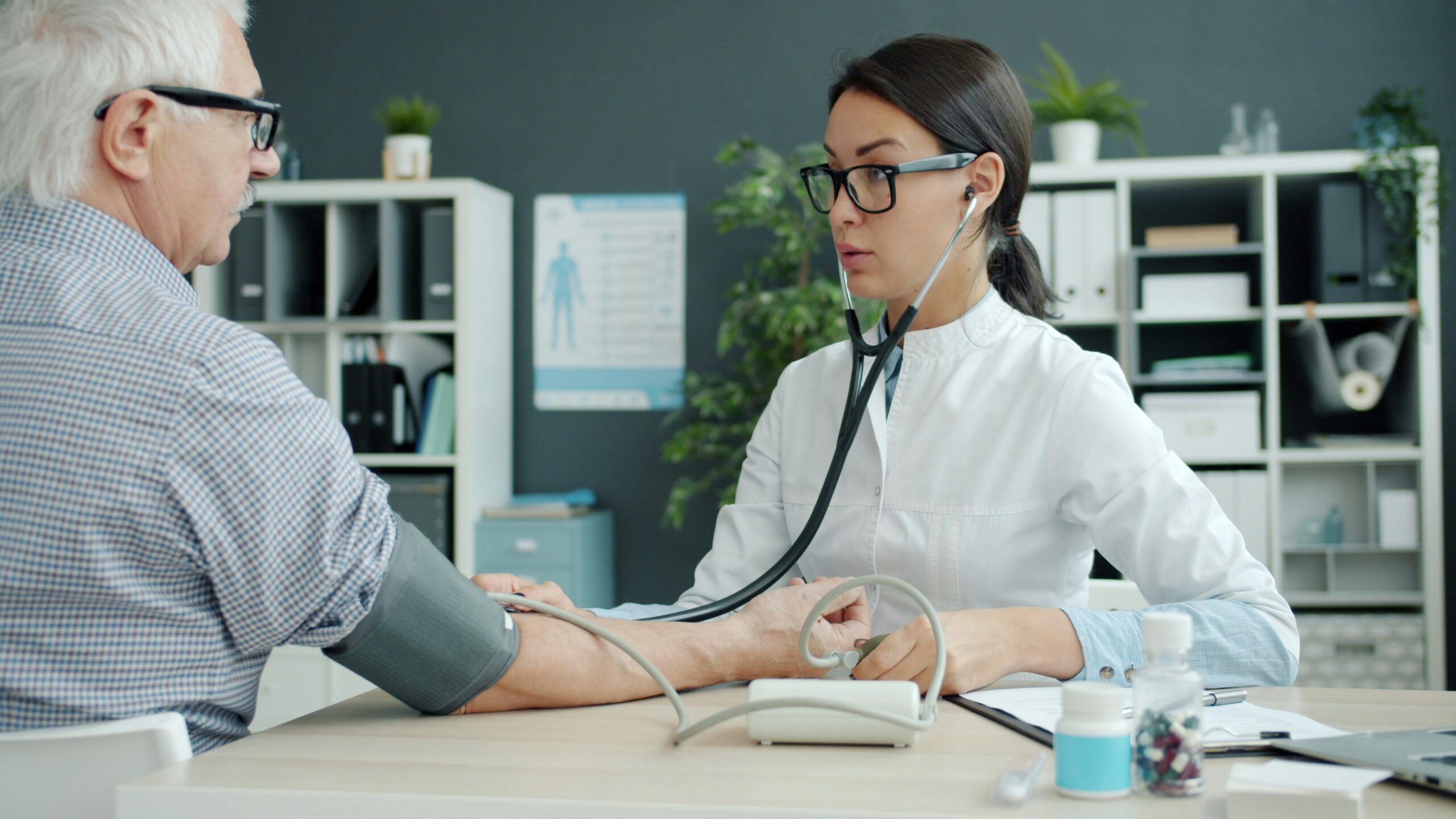
Preeclampsia is diagnosed through regular prenatal check-ups that include monitoring blood pressure, urine protein levels, and other symptoms. Additional tests such as blood tests and ultrasounds may also be used to confirm the diagnosis.
What are the potential complications of preeclampsia for both the mother and the baby?
Complications of preeclampsia for the mother may include organ damage, seizures (eclampsia), stroke, and HELLP syndrome. For the baby, complications may include premature birth, low birth weight, and placental abruption. Prompt medical treatment is essential to manage these risks.