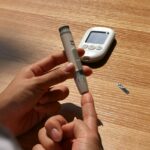





Gestational diabetes (GD) is a type of diabetes that occurs during pregnancy. The good news is that it’s usually manageable and doesn’t have to derail your pregnancy. The key is early detection and following a plan.
Gestational diabetes is when your body can’t produce enough insulin to meet the extra demands of pregnancy. Insulin is a hormone that helps your body use glucose (sugar) for energy. During pregnancy, your placenta releases hormones that can block your body’s insulin, leading to higher blood sugar levels. This can happen even if you didn’t have diabetes before.
Why Does it Happen?
During pregnancy, your body undergoes significant hormonal changes. The placenta, which nourishes your baby, produces hormones that are essential for a healthy pregnancy. However, these hormones can also interfere with the way your body’s insulin works. Insulin’s job is to help your cells absorb glucose from your bloodstream for energy. When placental hormones block insulin’s effectiveness, glucose can build up in your blood, leading to gestational diabetes. This increased resistance to insulin is a common physiological adaptation of pregnancy, but for some women, their pancreas can’t produce enough extra insulin to compensate, resulting in high blood sugar.
When Does it Typically Develop?
Gestational diabetes usually develops in the second or third trimester of pregnancy, typically around the 24th to 28th week. This is because, by this stage, the placental hormones are at their peak effect on insulin resistance. However, in some cases, it can be diagnosed earlier.
How is Gestational Diabetes Diagnosed?
Diagnosing gestational diabetes involves a couple of common tests. Your doctor will recommend them based on your individual risk factors and the timing of your pregnancy.
The Glucose Challenge Test (GCT)
This
FAQs

What is gestational diabetes?
Gestational diabetes is a type of diabetes that develops during pregnancy. It occurs when the body cannot produce enough insulin to meet the extra needs of pregnancy, leading to high blood sugar levels.
How is gestational diabetes diagnosed?
Gestational diabetes is typically diagnosed through a glucose challenge test, followed by a glucose tolerance test if the initial results are elevated. These tests measure how well the body processes sugar.
What are the risks of gestational diabetes?
Untreated gestational diabetes can lead to complications for both the mother and the baby, including preeclampsia, preterm birth, and macrosomia (large birth weight). It can also increase the risk of the mother developing type 2 diabetes later in life.
How is gestational diabetes treated?
Treatment for gestational diabetes often involves a combination of dietary changes, regular physical activity, and monitoring blood sugar levels. In some cases, insulin or other medications may be prescribed to help manage blood sugar levels.
Can gestational diabetes be prevented?
While there is no guaranteed way to prevent gestational diabetes, maintaining a healthy lifestyle before and during pregnancy can help reduce the risk. This includes eating a balanced diet, staying physically active, and maintaining a healthy weight.